Grammar Rule: Lent vs Lended Explained Clearly 🏆

“Lent” is correct; “lended” is incorrect in standard English usage. Many people feel unsure when talking about borrowing and giving ...
Read more
Grammar Rules: Overlaid vs Overlayed for English Learners
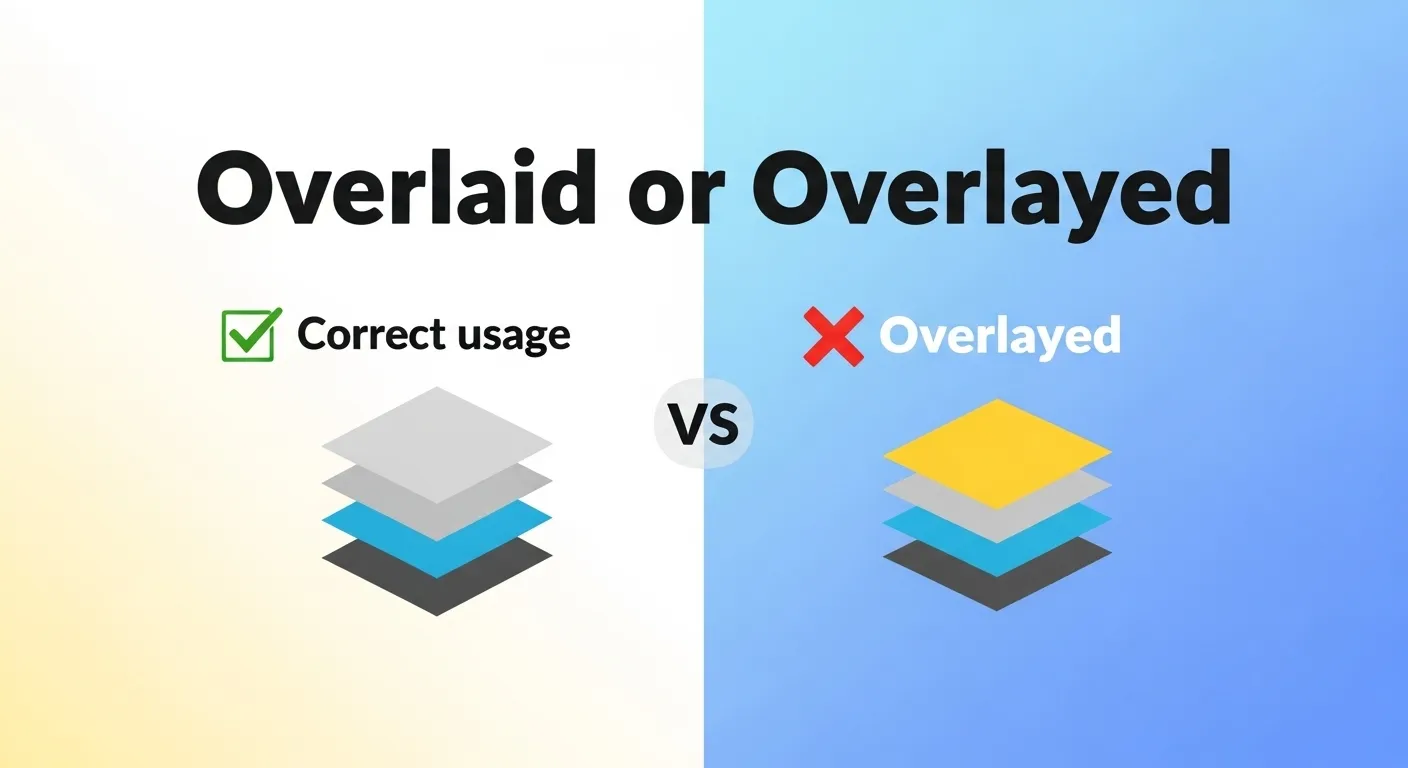
“Overlaid” is the correct past tense and past participle of “overlay,” while “overlayed” is usually considered incorrect. Many writers feel ...
Read more
Prove or Proof: Quick Tips to Remember the Difference

Prove is a verb (action), and proof is a noun (thing or result). Many English learners and even native speakers ...
Read more
Feel or Feal: Which Spelling Is Correct?🌟
The correct spelling is “feel”. Many people type “feal” by mistake because it sounds similar. Understanding the difference is important ...
Read more
Resignate or Resonate: How Should You Use It?✨
Resonate is correct; resignate is usually wrong in modern English. Many writers search for “resignate or resonate” because the words ...
Read more
Vain or Vein: Meaning, Differences, Easy Examples

Vain refers to pride or something useless, while vein refers to blood vessels or lines in materials. Many people confuse ...
Read more
Invoke or Evoke: What’s the Difference?
Invoke and evoke are different words with different meanings, even though they look and sound similar. Many writers confuse them ...
Read more
Need or Want: When Should You Use Each?
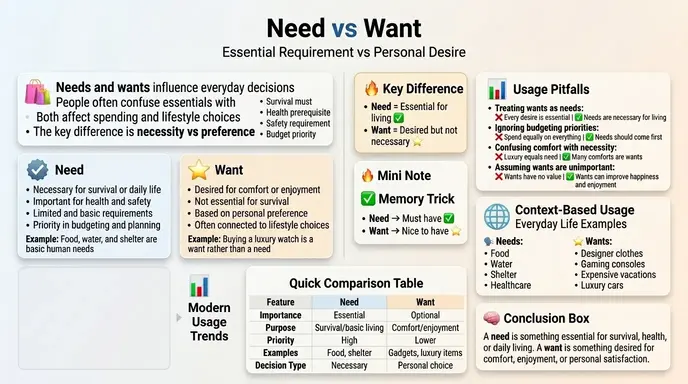
“Need” means something necessary, while “want” means something desired but not essential. Many people search for need or want because ...
Read more
📚Between or Among: What’s the Difference?
Between is used for specific or separate items. Among is used for groups or collective situations. Many writers confuse these ...
Read more