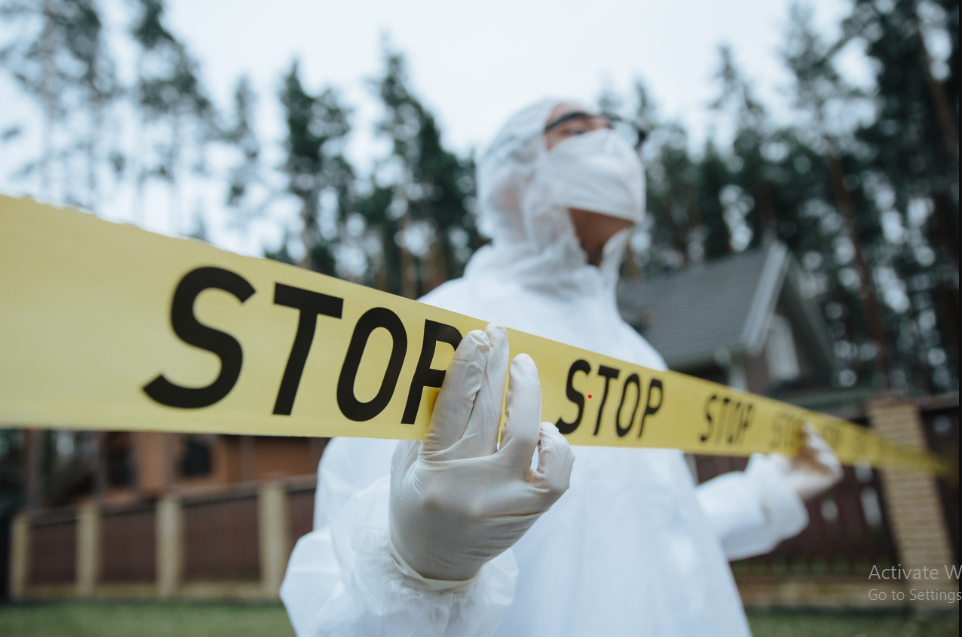
Crime investigations involve many different fields, and two of the most commonly confused are forensic science and criminology. While both play an important role in the criminal justice system, they focus on very different aspects of crime. One centers on collecting and analyzing physical evidence, while the other examines why crimes occur, how they affect society, and what can be done to prevent them.
Effective investigations also rely on collaboration among experts from different disciplines. As Cleveland Miles, Director of the Georgia Bureau of Investigation’s Division of Forensic Science, noted, advancing forensic science requires deep collaboration among researchers, practitioners, and industry professionals.
His observation highlights that forensic science is a highly specialized field that works alongside, but remains distinct from, other criminal justice disciplines, including criminology.
Understanding these differences is essential whether you’re considering a career in criminal justice or simply want to better understand how crime investigations work.
Defining the Two Fields
Forensic science is the application of scientific principles and laboratory techniques to matters of legal interest. It is inherently practical and evidence-driven.
Forensic scientists analyze physical evidence collected from crime scenes, including DNA samples, fingerprints, ballistics, and digital data, to assist in legal investigations and court proceedings. Their work is rooted in disciplines such as chemistry, biology, physics, and computer science.
Criminology, by contrast, is a social science. It is the academic study of crime as a social phenomenon. The study examines why crime occurs, how it is distributed across society, who commits it, and what societal responses are most effective. Criminologists draw from sociology, psychology, economics, and political science to understand the root causes of criminal behavior and to inform policy decisions.
In simple terms, forensic scientists ask what happened, while criminologists ask why it happened.
Core Differences in Approach and Focus
The biggest difference between forensic science and criminology lies in what they study and how they approach crime. Forensic science focuses on solving individual cases by collecting, preserving, and analyzing physical evidence.
Students typically study biology, physics, chemistry, mathematics, forensic biology, crime scene investigation, DNA analysis, and toxicology. They also spend significant time learning laboratory procedures to ensure evidence is handled accurately and can withstand legal scrutiny. Admission usually requires a strong foundation in math and science.
Criminology, in contrast, examines crime from a broader social and behavioral perspective. Students explore criminological theory, policing, criminal law, corrections, victimology, statistics, research methods, and social issues such as race, class, and inequality. A bachelor’s degree generally requires about 120 credit hours and takes four years to complete full-time.
While forensic scientists produce laboratory reports and expert testimony, criminologists contribute research that informs criminal justice policies and crime prevention strategies.
Career Pathways in Each Field
Although both fields contribute to the criminal justice system, they offer very different career opportunities. Forensic science graduates often work in crime laboratories, medical examiner offices, law enforcement agencies, or digital forensics and cybersecurity roles.
Criminology graduates are more likely to build careers in government agencies, research organizations, nonprofit groups, public policy, or academia. In these roles, they study crime trends and help shape criminal justice policies.
Some careers also combine forensic science with healthcare. For example, forensic nurse practitioner programs prepare advanced practice nurses to care for victims of violence while collecting forensic evidence and working with law enforcement.
According to Cleveland State University, graduates of forensic nursing programs may pursue careers as legal nurse consultants, death investigators, forensic psychiatric nurses, or clinical forensic nurses. These professionals bridge healthcare and the justice system, providing compassionate patient care while supporting legal investigations.
Career Outlook for Both Fields
Both forensic science and criminology offer promising career prospects, although opportunities vary depending on specialization and experience.
Compensation in forensic science is competitive, and the U.S. Bureau of Labor Statistics placed the median annual wage for forensic science technicians at $67,440 in May 2024. The field’s outlook is equally promising, with employment expected to grow by 13% from 2024 to 2034, outpacing the projected growth rate for most other occupations.
Criminology-related careers also show steady demand. Roles that rely on research, communication, and critical thinking skills typically offer salaries ranging from $49,540 to $78,240, with projected job growth of up to 13% through 2034.
Technology is also reshaping both fields. Advances in AI, digital forensics, and data analytics are improving investigations, while criminologists increasingly use data-driven research to study crime trends. As crime becomes more complex, collaboration between scientists, healthcare professionals, law enforcement, and policy experts will remain essential.
The Overlap Between Forensic Science and Criminology
Although forensic science and criminology have different areas of focus, they often work together to support criminal investigations and improve the justice system. Forensic scientists provide the physical evidence needed to reconstruct crimes, while criminologists analyze crime patterns and offender behavior.
For example, addressing drug-related crime requires toxicology reports from forensic experts alongside criminological research into addiction, trafficking, and community trends. Likewise, tackling cybercrime depends on both digital forensic specialists who analyze electronic evidence and criminologists who study cybercriminal behavior.
Recognizing this connection, many colleges now offer interdisciplinary programs that combine forensic science with criminology. These programs help students develop both scientific and analytical skills, preparing them to solve complex criminal justice challenges by collaborating with law enforcement and healthcare professionals.
Frequently Asked Questions (FAQs)
Is forensic science the same as criminology?
No. Forensic science and criminology are separate fields that contribute to the criminal justice system in different ways. Forensic science focuses on collecting, analyzing, and interpreting physical evidence to help solve crimes. Criminology studies the causes of crime, criminal behavior, and the effectiveness of laws and crime prevention strategies. While they often work together, they require different skills, educational backgrounds, and career paths.
Which career has better job prospects: forensic science or criminology?
Both fields offer promising opportunities, but the right choice depends on your interests. Forensic science technicians are in strong demand, with employment projected to grow faster than the average for all occupations. Criminology graduates can pursue careers in research, public policy, law enforcement, corrections, and nonprofit organizations, with opportunities continuing to expand as governments focus on crime prevention.
Can I combine forensic science with healthcare?
Yes. Healthcare professionals can specialize in forensic nursing, where they care for victims of violence while collecting forensic evidence and working with law enforcement. Graduate-level forensic nurse practitioner programs prepare advanced practice nurses for roles that bridge healthcare and the criminal justice system.
Forensic Science and Criminology Statistics
| Median annual wage for forensic science technicians (2024) | $67,440 |
| Projected employment growth for forensic science technicians (2024–2034) | 13% |
| Typical salary range for criminology-related careers | $49,540–$78,240 |
| Projected job growth for criminology-related careers | Up to 13% through 2034 |
| Typical length of a bachelor’s degree in criminology | 120 credit hours (about four years full-time) |
Although forensic science and criminology are often discussed together, they serve different purposes within the criminal justice system. Forensic science focuses on collecting and analyzing evidence to help solve cases, while criminology examines the broader causes of crime and develops strategies to reduce it.
Both fields are essential and frequently work together to support investigations, inform public policy, and strengthen the justice system. Choosing between them ultimately depends on your interests, whether they lie in scientific analysis, research, public policy, or direct work with victims and communities.