Bit or Bitten: Which One Is Correct?📘
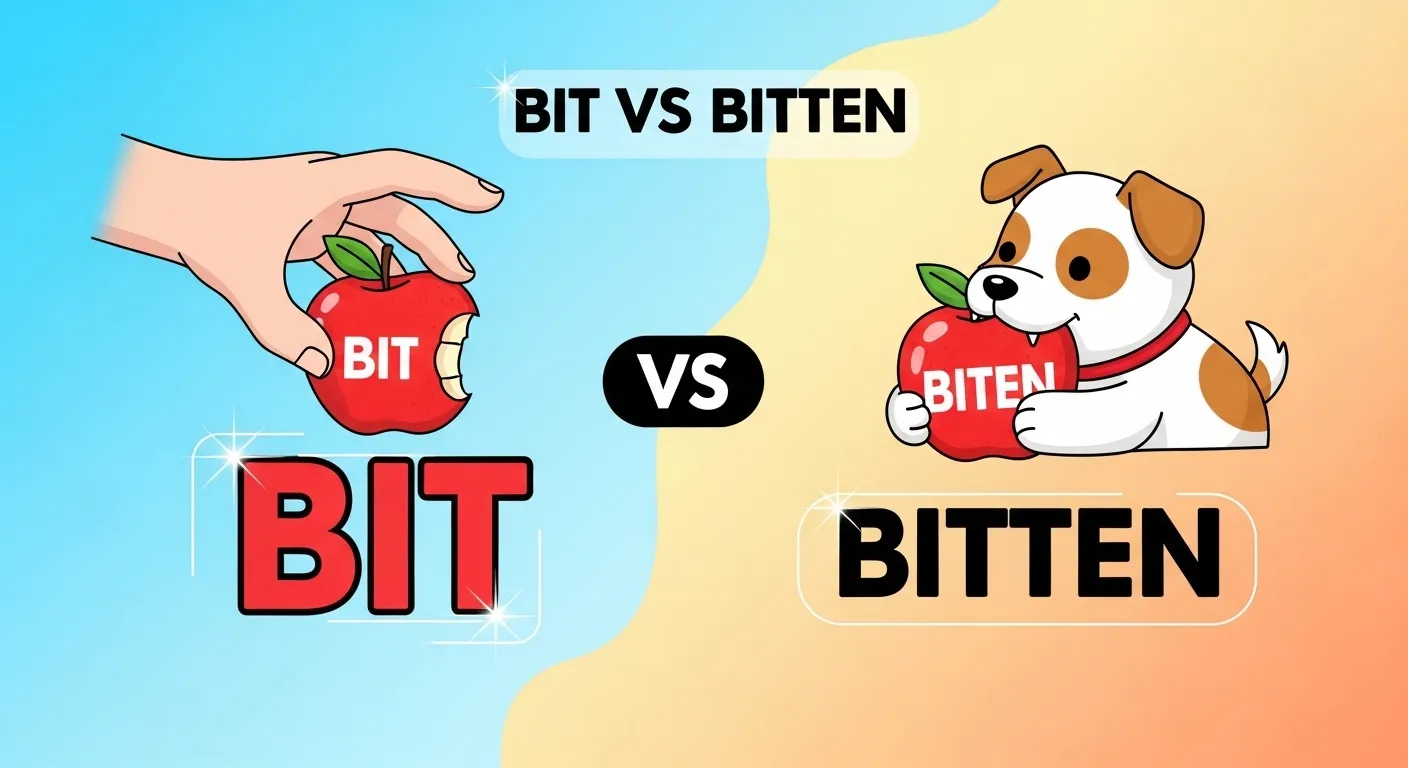
The correct word depends on context. “Bit” is the past simple form of “bite,” while “bitten” is the past participle. ...
Read more
Hanger or Hangar: Which Word Is Correct?📘

Hanger is for clothes, while hangar is a building for aircraft. Many writers confuse these two words because they sound ...
Read more
Immersed or Emersed: What’s the Difference?📘
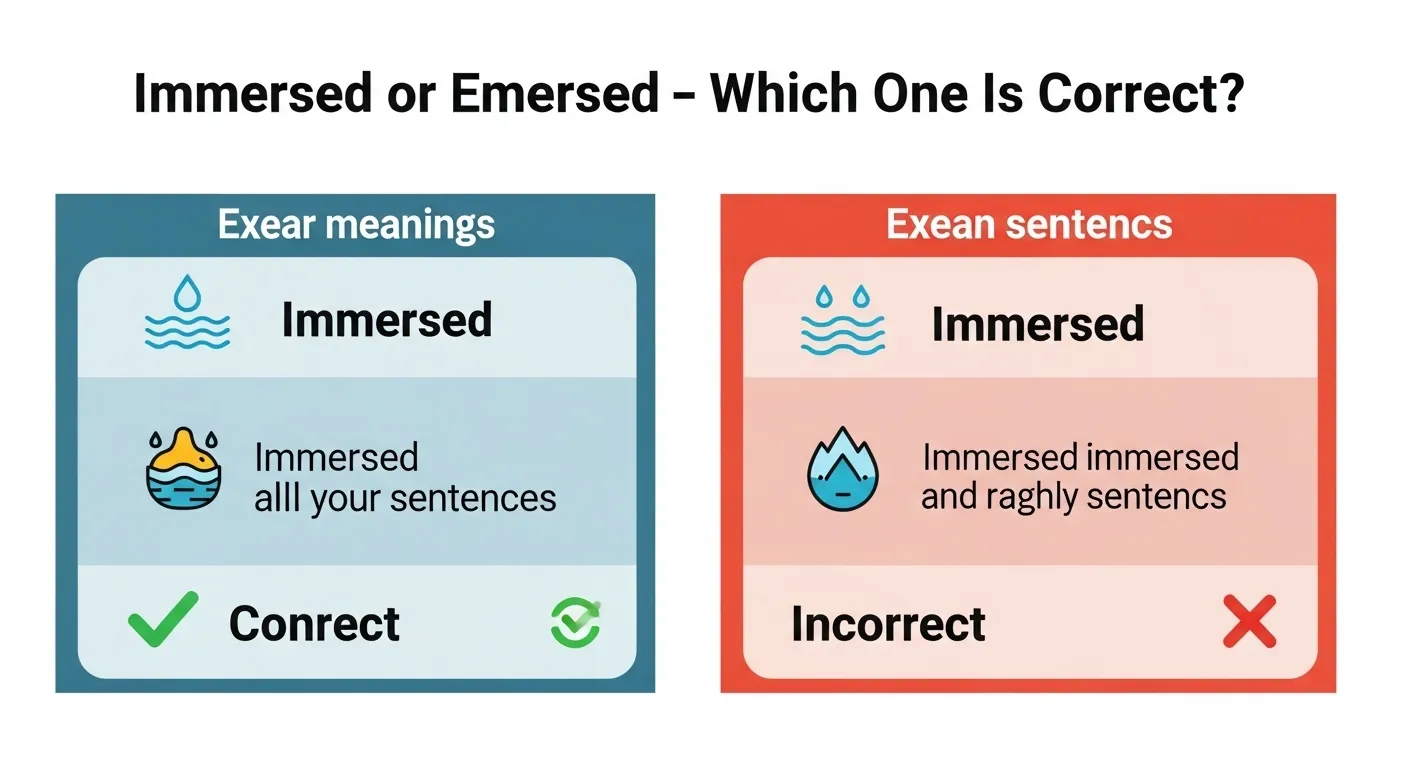
Immersed means fully covered or deeply involved, while emersed means rising out of water or coming into view. Many writers ...
Read more
Grammar Rules: Overlaid vs Overlayed for English Learners
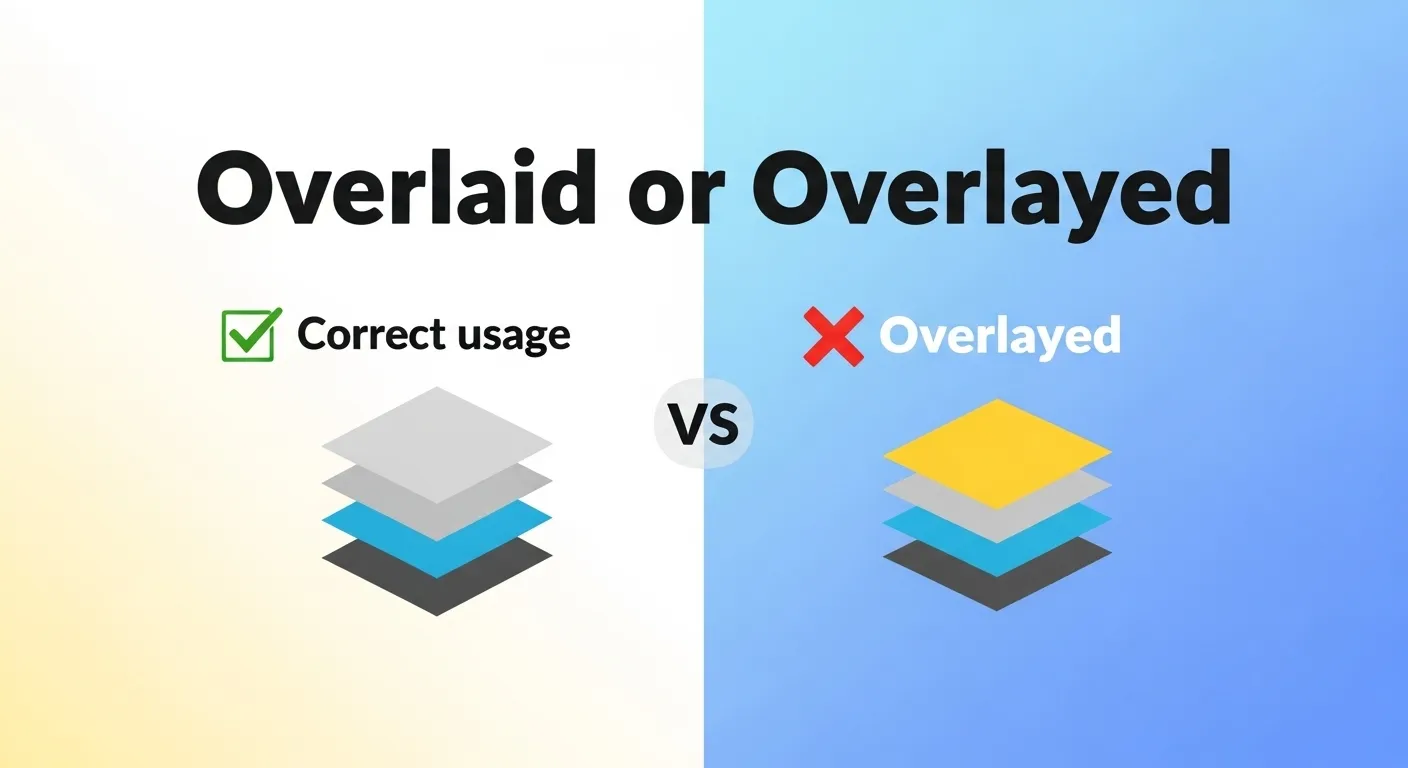
“Overlaid” is the correct past tense and past participle of “overlay,” while “overlayed” is usually considered incorrect. Many writers feel ...
Read more
Prove or Proof: Quick Tips to Remember the Difference

Prove is a verb (action), and proof is a noun (thing or result). Many English learners and even native speakers ...
Read more
Reinforce or Re-Enforce: Which One Is Correct?🌟
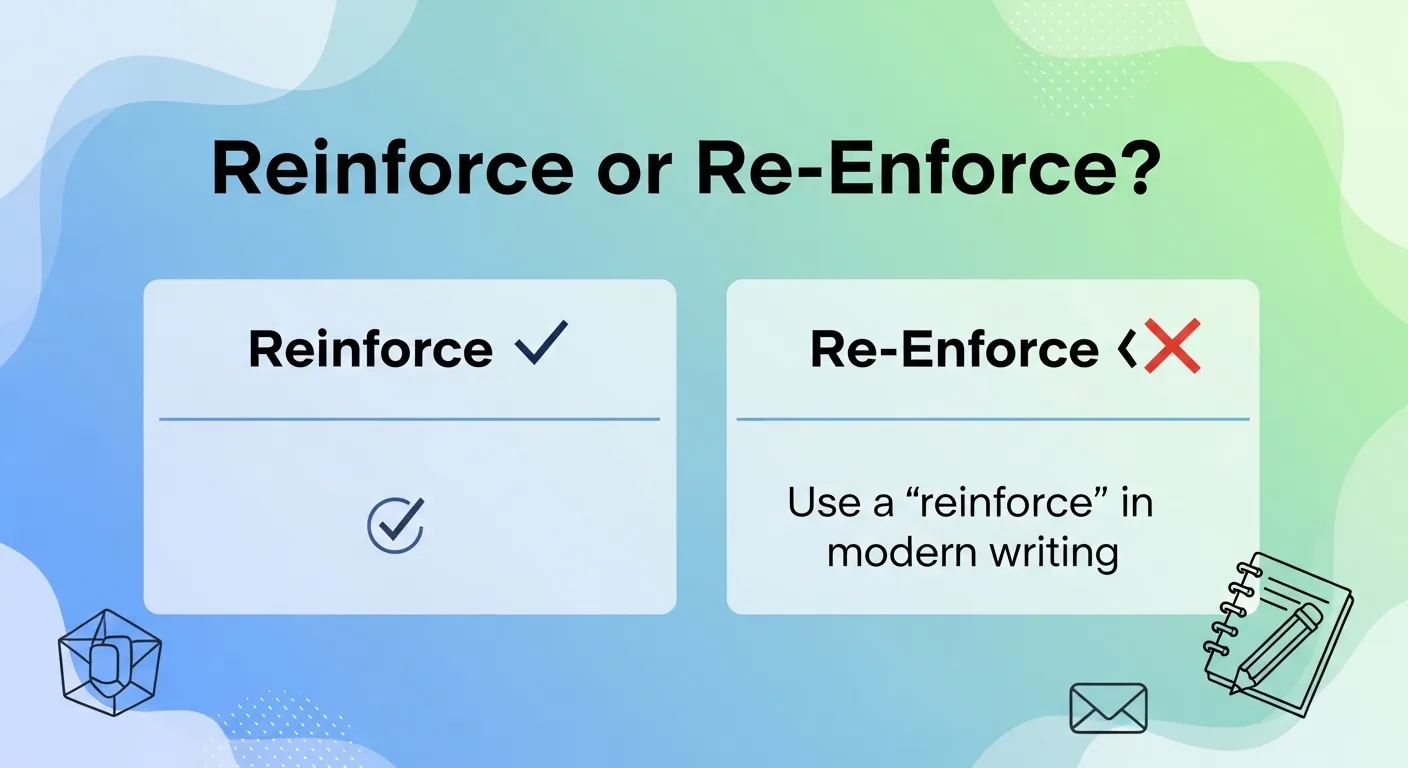
The correct spelling is reinforce. You do not need a hyphen unless you want emphasis, but it is rare. Many ...
Read more
Feel or Feal: Which Spelling Is Correct?🌟
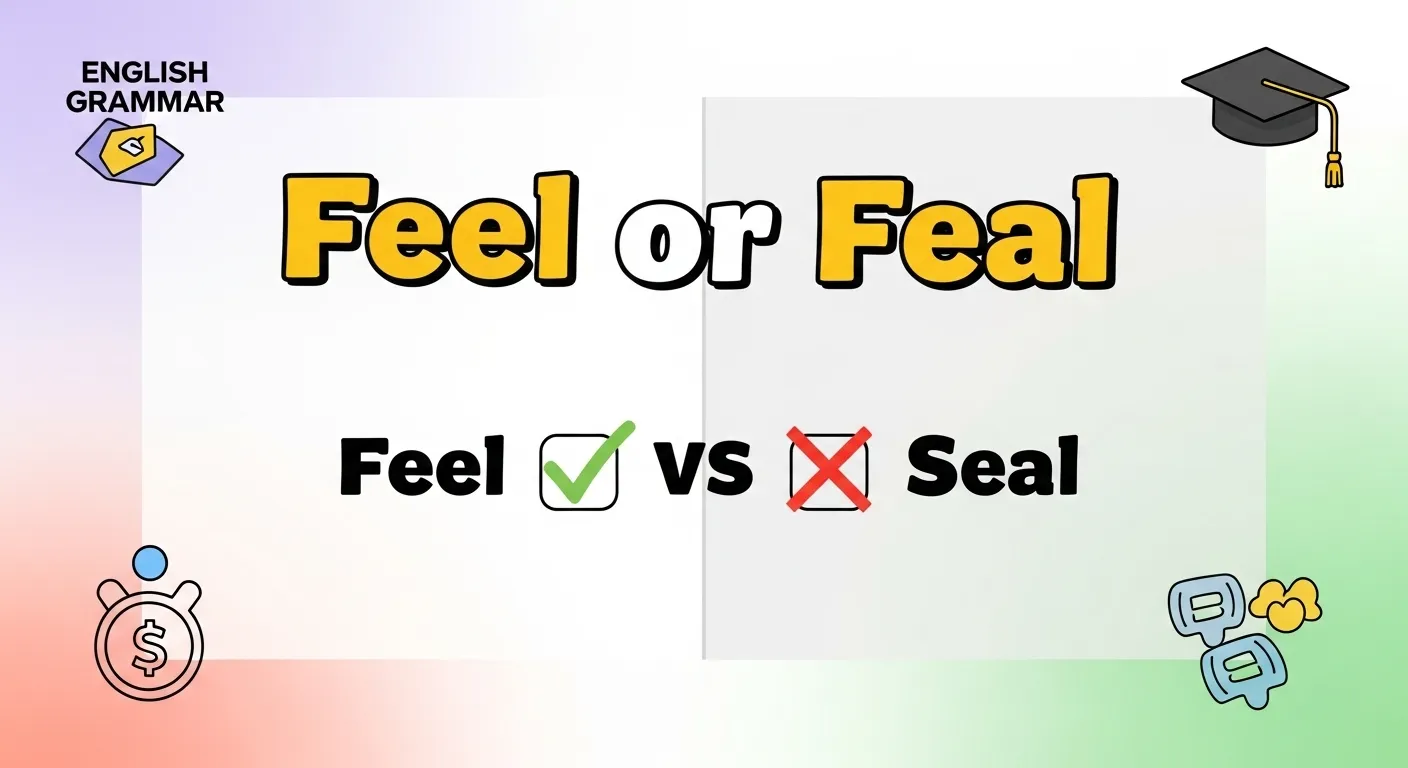
The correct spelling is “feel”. Many people type “feal” by mistake because it sounds similar. Understanding the difference is important ...
Read more
Either or Neither: Grammar Rules and Common Mistakes 🌟
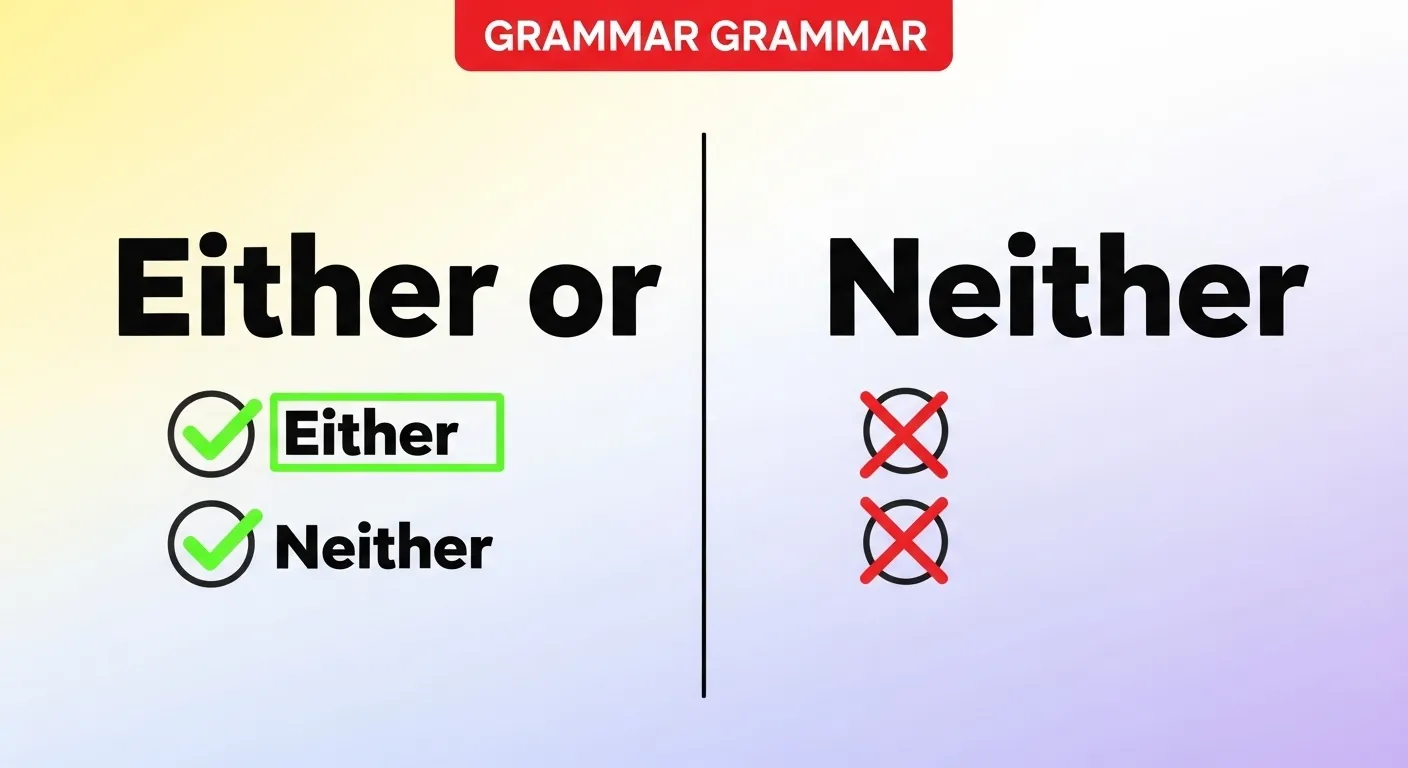
Either means one of two options, while neither means not one and not the other. Many English learners search for ...
Read more
Does or Do: Meaning, Usage, Rules, and Clear Examples ✅
“Does” is used with singular subjects, and “do” is used with plural subjects and with “I” and “you.” Many learners ...
Read more